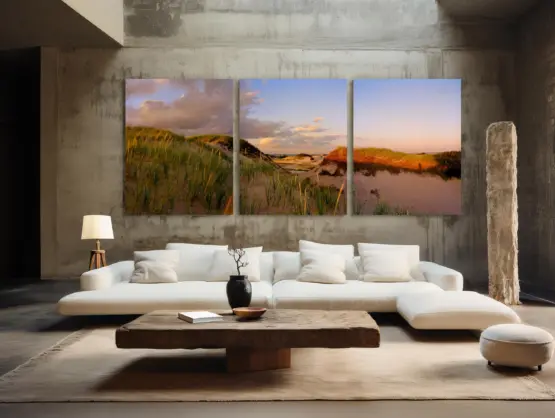
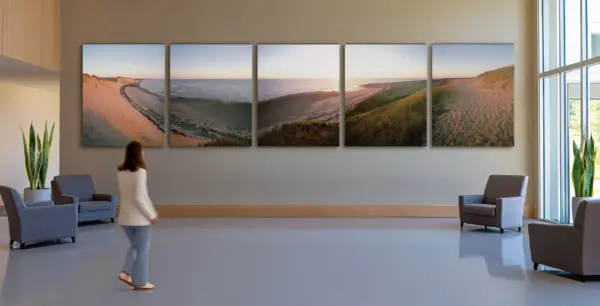
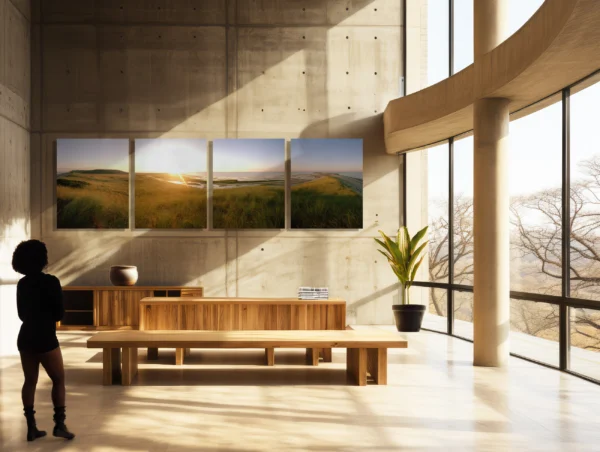
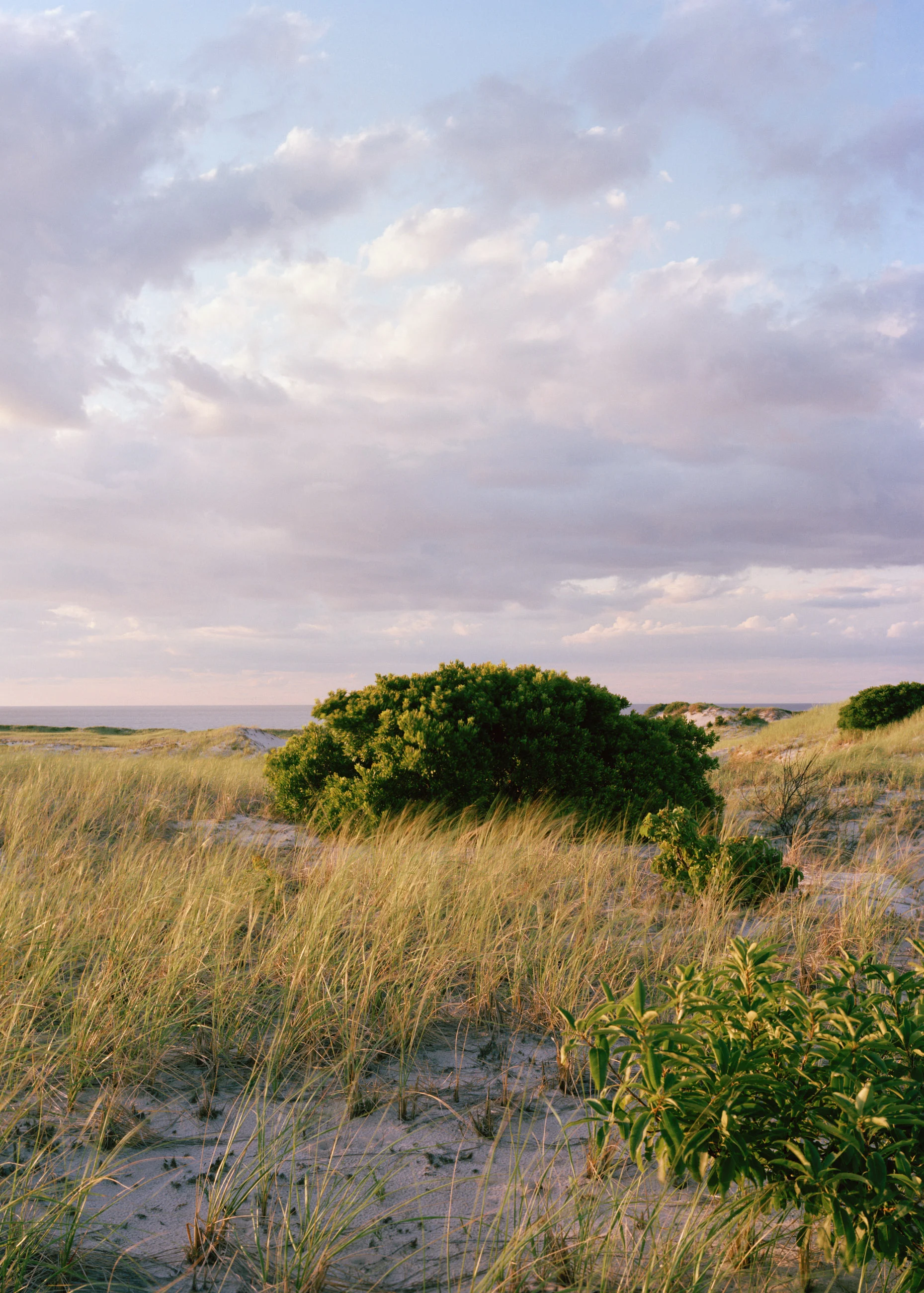
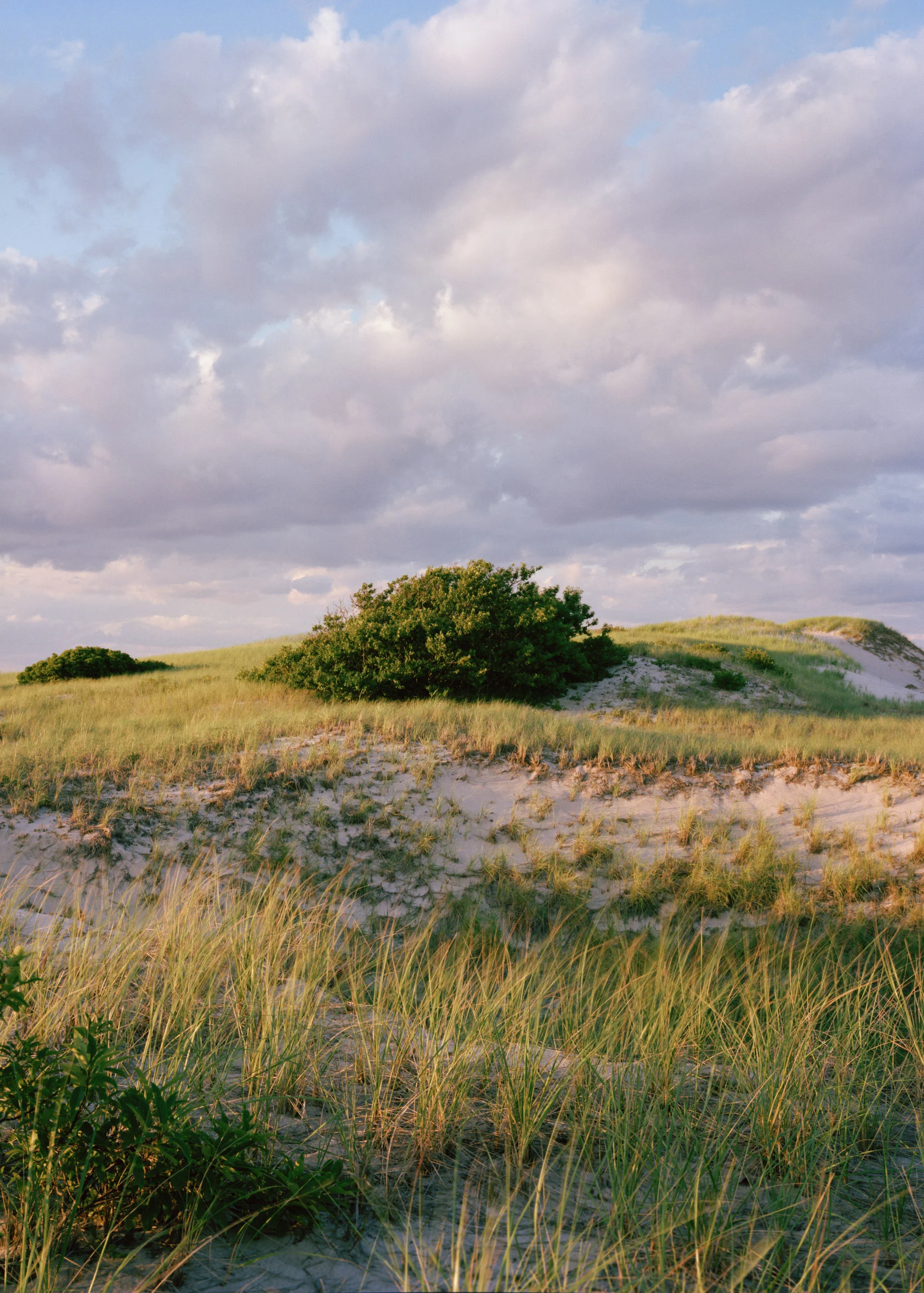
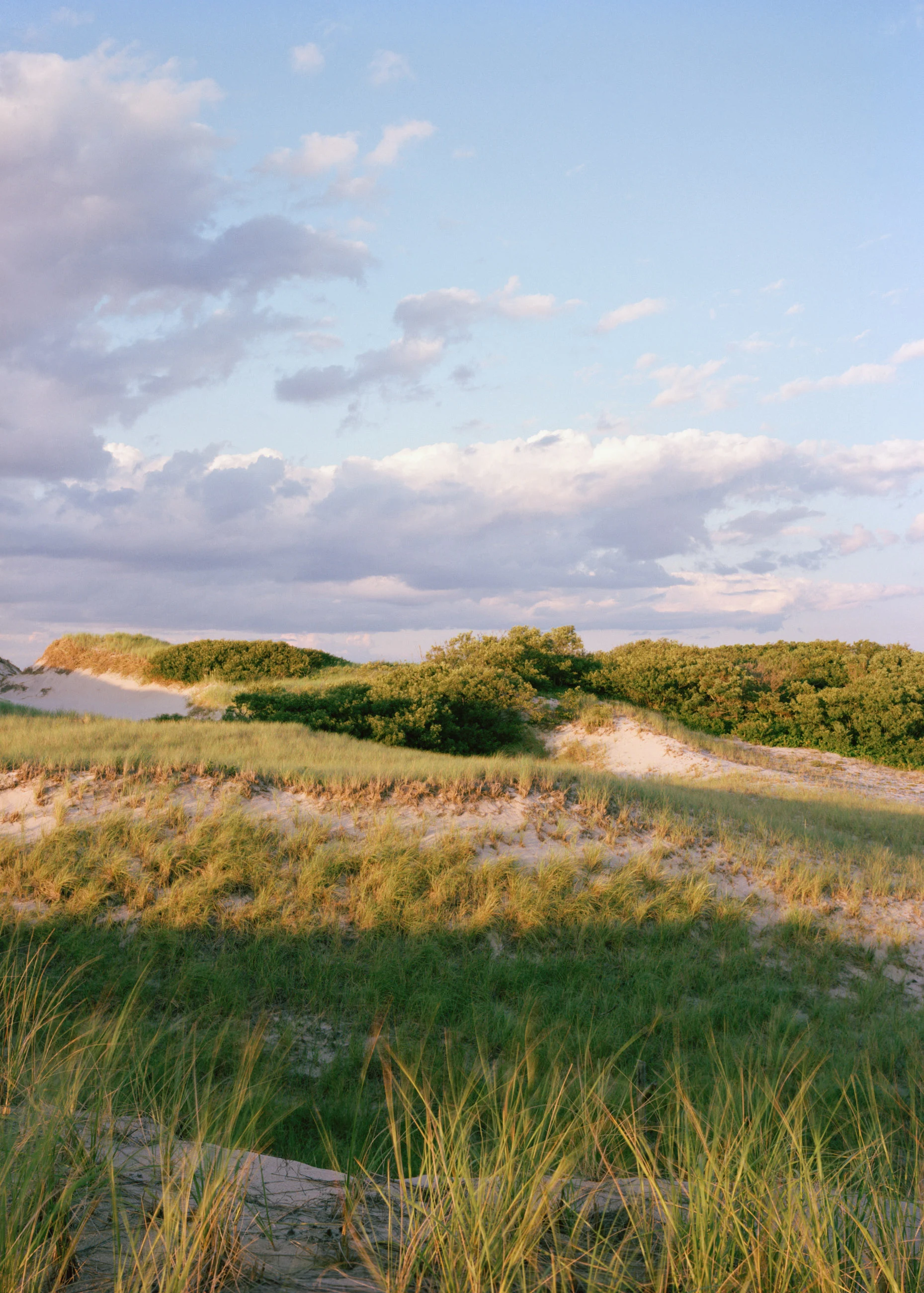
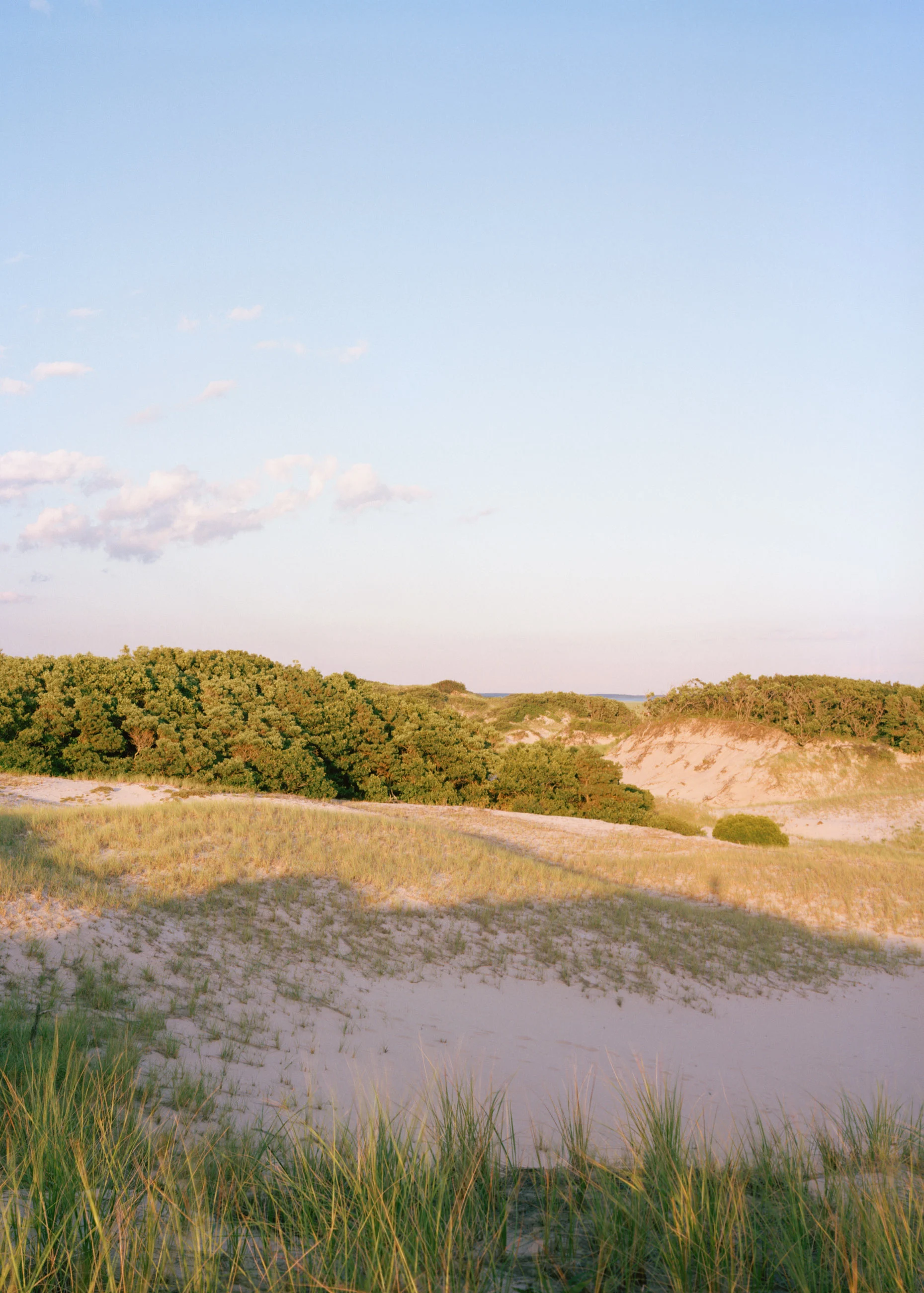
Drifting Dunes
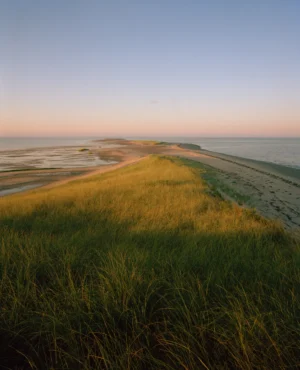
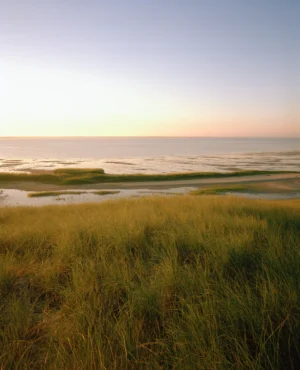
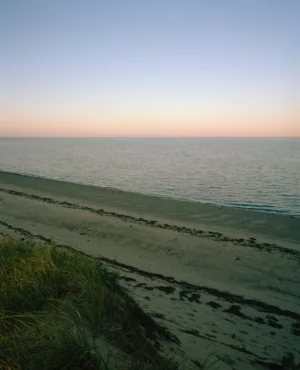
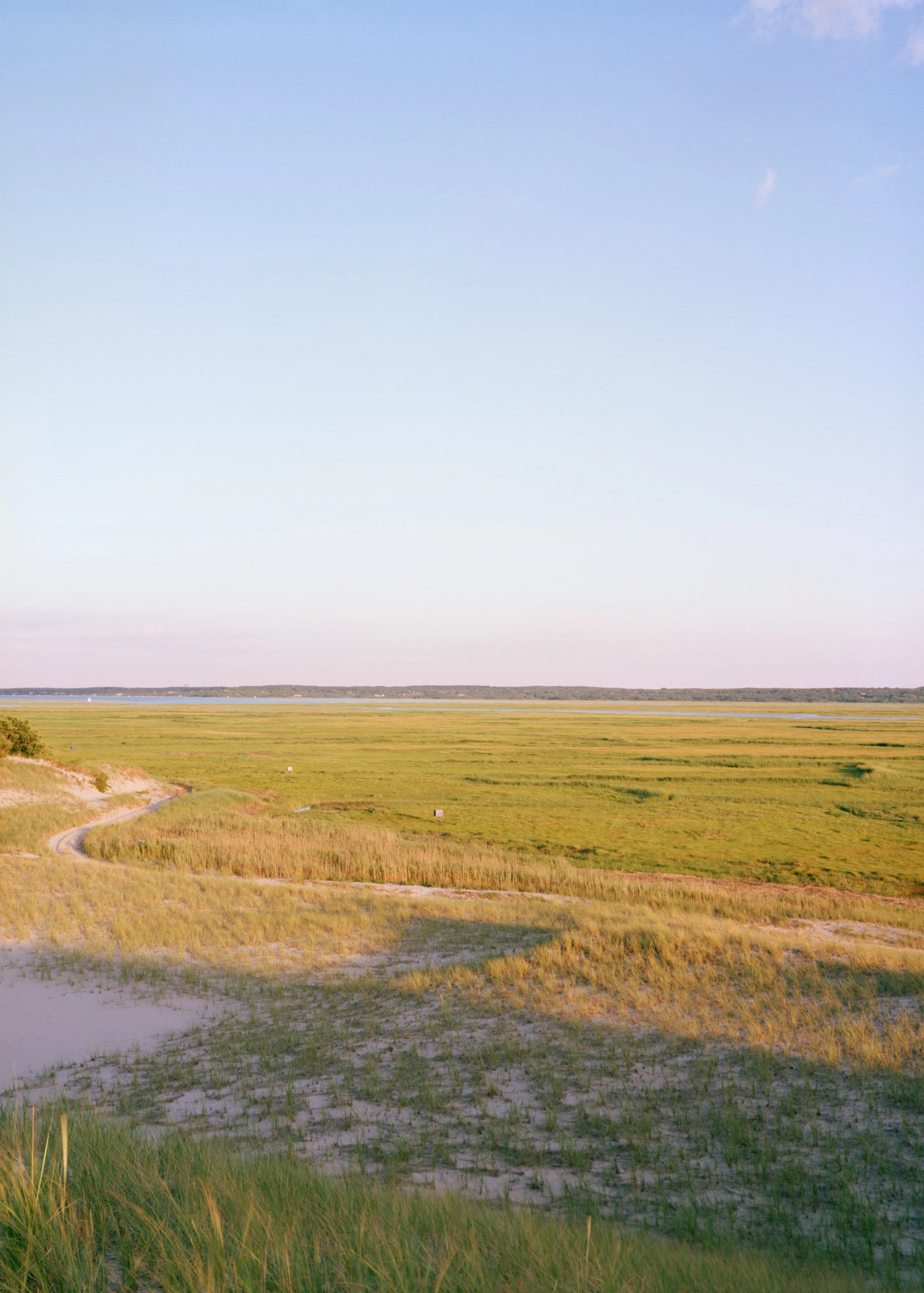
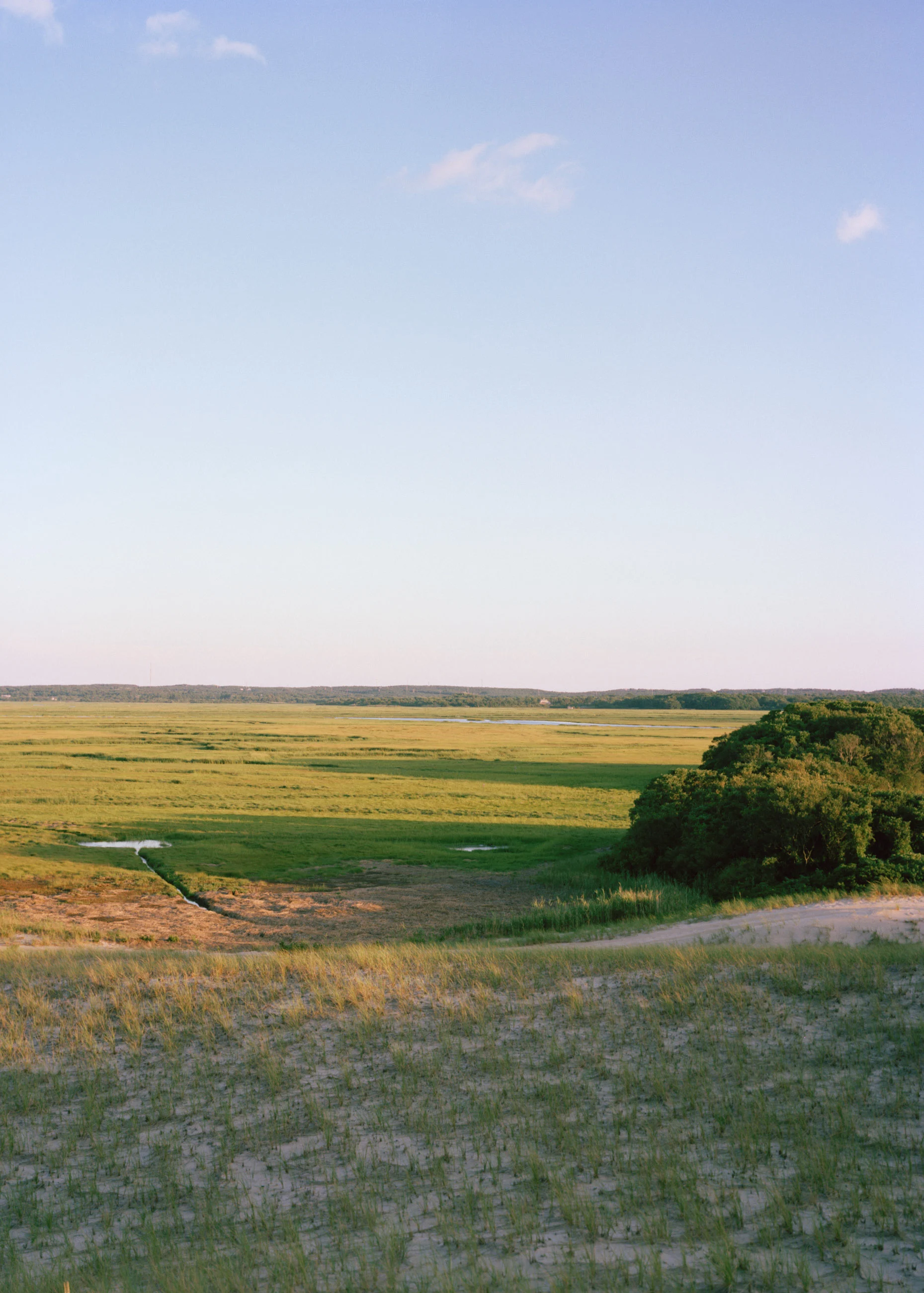
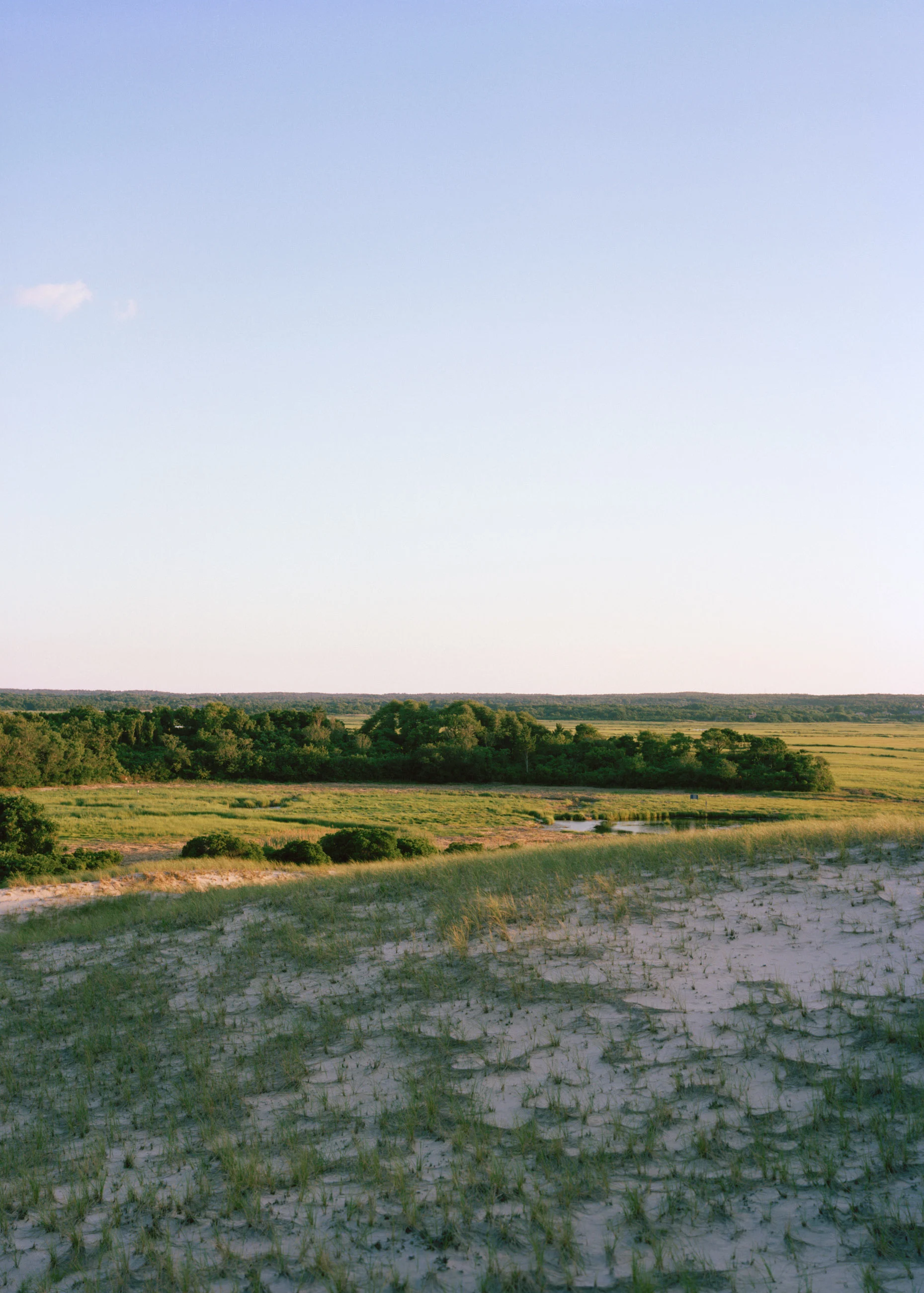
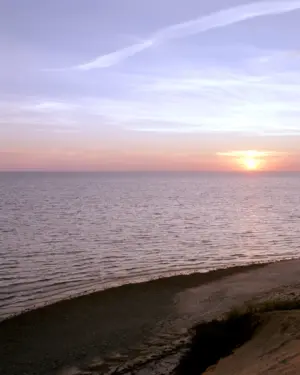
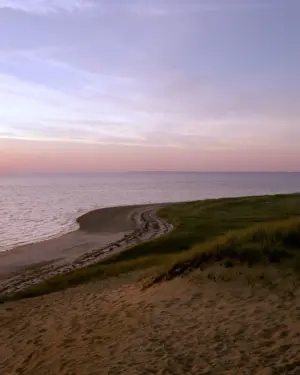
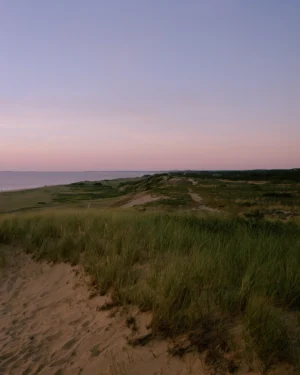
Sandy Neck Beach, West Barnstable, Massachusetts, United States
8 panels
“Just as the sand-dunes, heaped one upon another, hide each the first, so in life the former deeds are quickly hidden by those that follow after.”
Marcus Aurelius
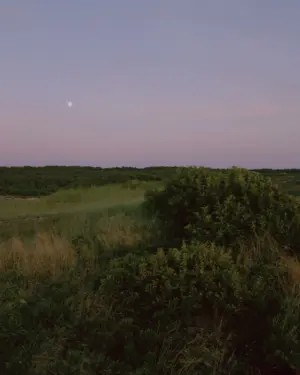
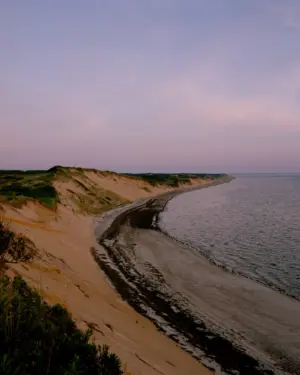
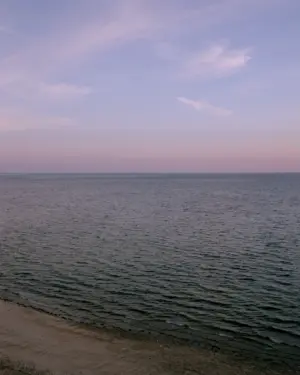
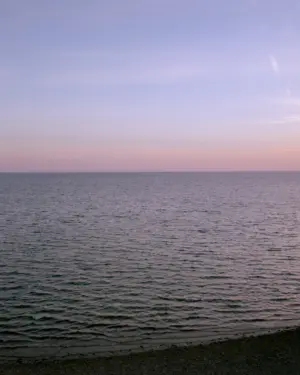
Drifting Dunes was my forgotten image. Soon after making it, I dismissed it as a failure, and the negatives were deeply buried as my archives grew.
I thought my decision to overlap the compositions of the individual exposures was the problem. I had wondered if the overlap would somehow help me produce a more immersive image. Yet, when I made a set of contact prints and laid them end to end, I could see the overlapped photographs lost the full-frame aesthetic I appropriated from Henri Cartier-Bresson. This was the first, and last, time that I made overlapping exposures on purpose.
Henri Cartier-Bresson had a considerable impact on me as a developing photographer. To me, the full frame aesthetic was proof that the image was composed in the camera, with no cropping in the darkroom. The decisive moment in its purest form. Spread across a series of large format negatives, the statement seemed an expression of exemplary technical precision, a process mastered.
Before giving up on this image, I trimmed the edges of the contact prints, taped them together, and framed the piece for my mother. She loved it.
More than thirty years passed, and when, like an artifact, the framed piece my mother had loved surfaced again, I had completely forgotten it. I wondered why. The negatives were not where I expected to find them. I had to dig. The more I dug, the more I despaired they were truly lost.
When finally I found them, I scanned them immediately and placed them end to end in Photoshop. I began to remember all I had forgotten about this image.
Much changed while Drifting Dunes lay hidden. I no longer make contact prints in a darkroom. My ego no longer needs to make statements about process. Still, I have cropped it to remove the overlap!
“How do you make your pictures?
I don’t know, it’s not important.”
-
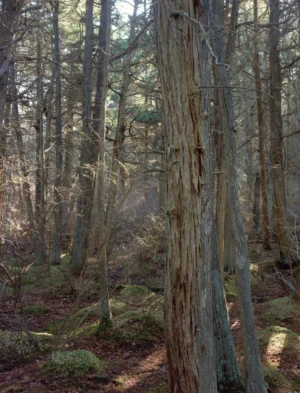
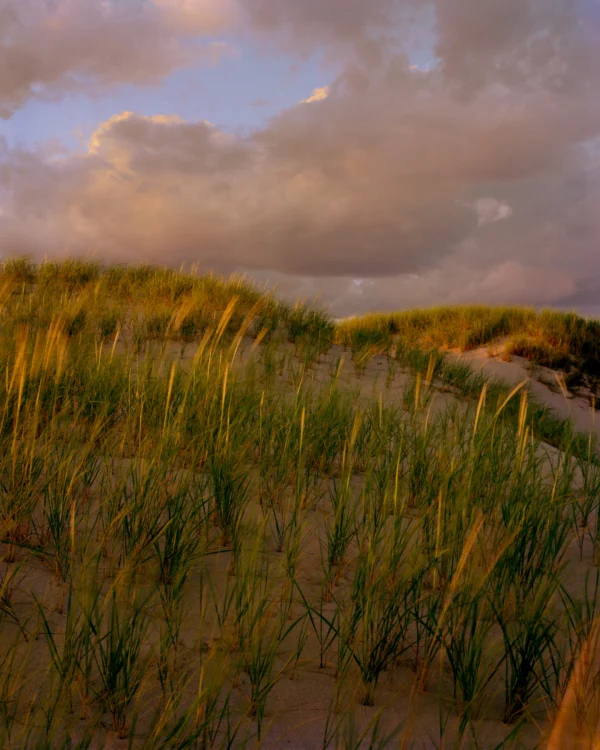
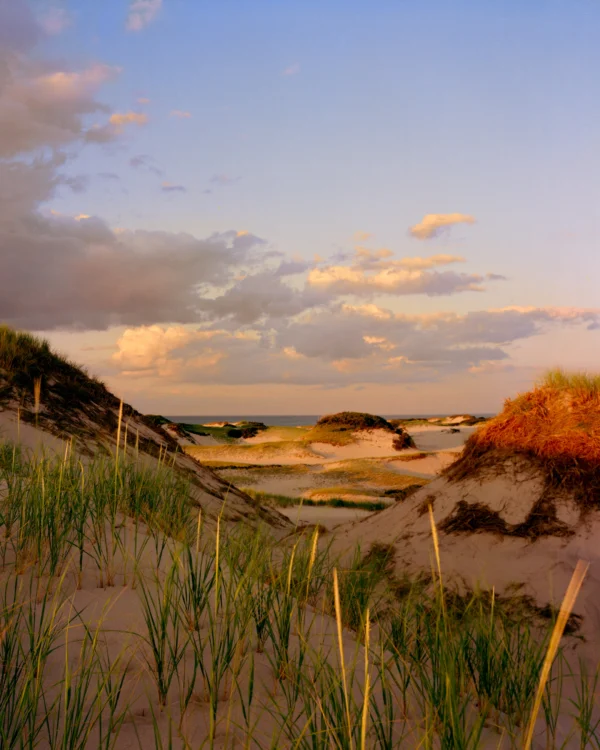
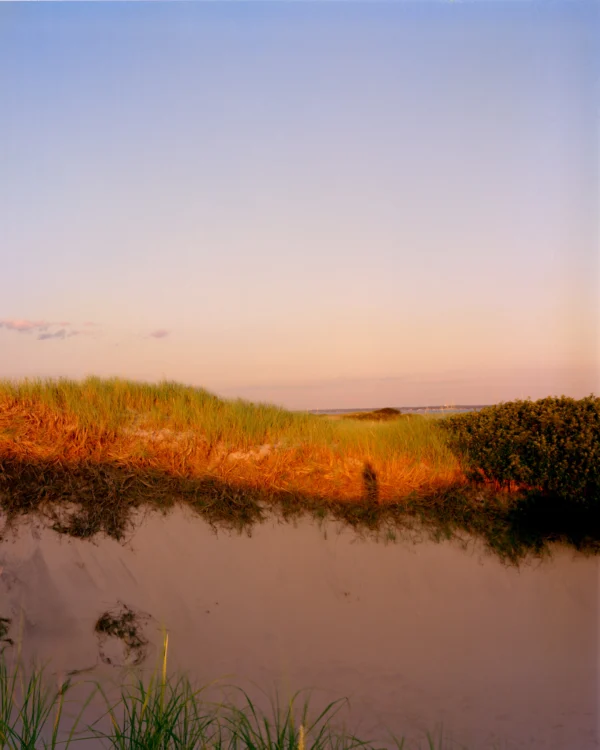
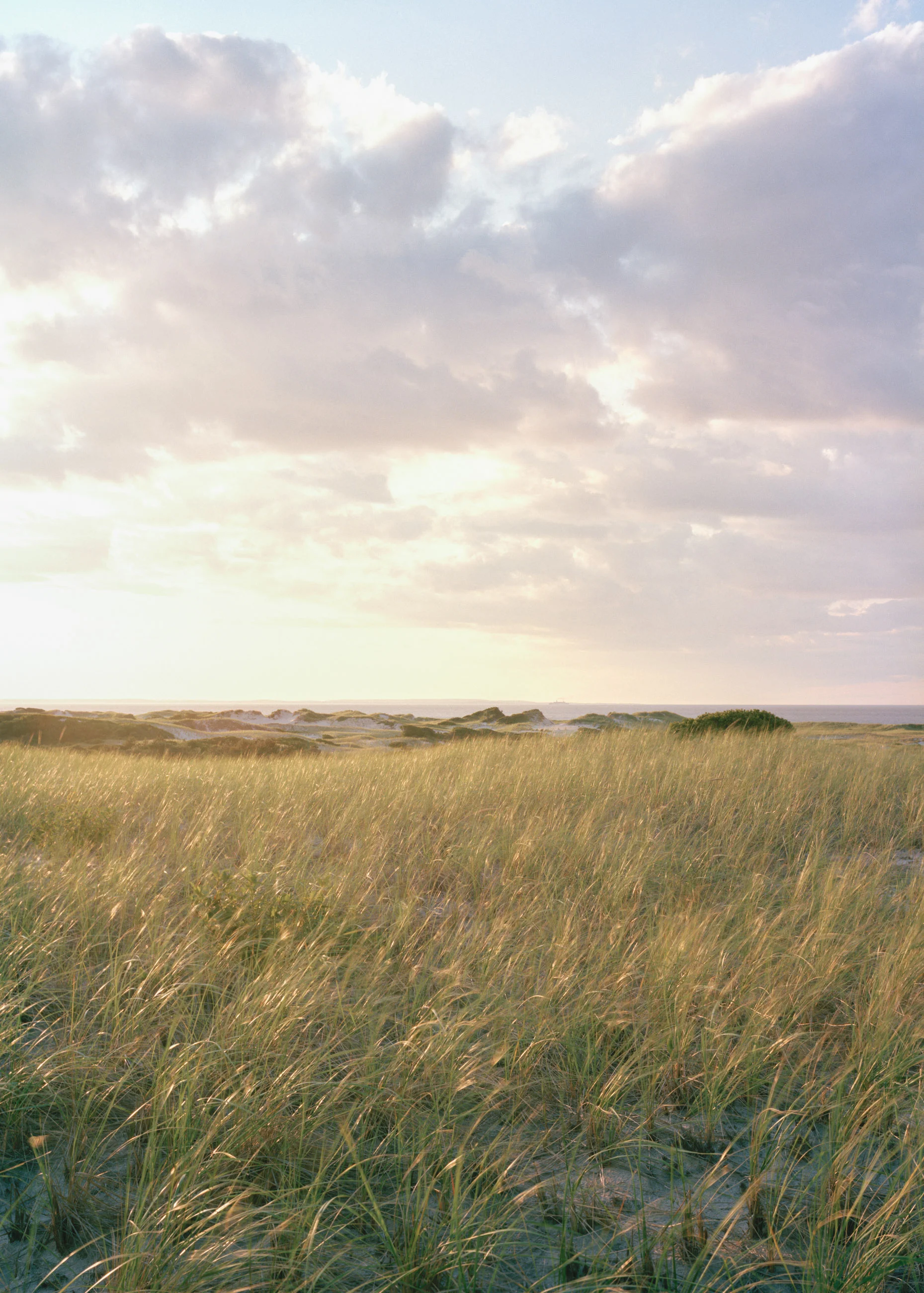
![This eight-panel panoramic photograph shows a Cape Cod barrier beach interior landscape of sand dunes topped with vegetation sweeping over to a salt marsh.]() >
>
-
![This eight-panel panoramic photograph shows a Cape Cod barrier beach interior landscape of sand dunes topped with vegetation sweeping over to a salt marsh.]() >
>
-
![This eight-panel panoramic photograph shows a Cape Cod barrier beach interior landscape of sand dunes topped with vegetation sweeping over to a salt marsh.]() >
>
-
![This eight-panel panoramic photograph shows a Cape Cod barrier beach interior landscape of sand dunes topped with vegetation sweeping over to a salt marsh.]() >
>
-
![This eight-panel panoramic photograph shows a Cape Cod barrier beach interior landscape of sand dunes topped with vegetation sweeping over to a salt marsh.]() >
>
-
![This eight-panel panoramic photograph shows a Cape Cod barrier beach interior landscape of sand dunes topped with vegetation sweeping over to a salt marsh.]() >
>
-
![This eight-panel panoramic photograph shows a Cape Cod barrier beach interior landscape of sand dunes topped with vegetation sweeping over to a salt marsh.]() >
>
-
![This eight-panel panoramic photograph shows a Cape Cod barrier beach interior landscape of sand dunes topped with vegetation sweeping over to a salt marsh.]() >
>